
What Is Website Schema & Why Should You Care?
What Is Website Schema Markup & Why It Matters for Search Results
Last Updated: December 2024 | Reading Time: 8 minutes
Website schema markup is structured data code that helps Google, Bing, and other search engines understand exactly what your webpage content means—so they display more relevant results to searchers and your site ranks better for the right keywords. Instead of interpreting web pages like humans do, search engines require structured data in standardized formats (JSON-LD, Microdata, RDFa) to accurately process and display your content. Implementing website schema is crucial for enhancing your site’s visibility in search results by providing clear, structured data that search engines can easily interpret and display as rich snippets.
How Schema Markup Helps Search Engines Distinguish Similar Content
Search engines struggle to understand context without schema markup. When users search “red deer hunting in Alberta,” Google can’t automatically distinguish between Red Deer the city and the red deer animal species without explicit markup. Schema markup solves this by telling search engines: this page discusses hunting (Event schema), this page is about Edmonton (LocalBusiness schema), this article covers red deer biology (Article schema). This contextual information ensures users searching for a specific type of ‘red deer’ receive the most relevant results, improving user satisfaction and your site’s click-through rates from search results.
Website schema markup uses standardized vocabulary from Schema.org to communicate with search engines. Schema.org provides comprehensive schema types organized hierarchically. For example, Organization is a parent schema type that branches into LocalBusiness (which further subdivides into specialized types like Restaurant, Store, or ProfessionalService). Each schema level inherits all properties from higher-level types while adding specific properties for its category. This hierarchy ensures you can implement exactly the right level of specificity for your content—using just Organization for a corporate page, or the more specific LocalBusiness schema for a service business with location, hours, and contact information.
Key Takeaways About Website Schema Implementation
- Schema markup uses standardized code (JSON-LD, Microdata, RDFa) to help search engines interpret webpage content correctly and display rich snippets.
- Implementing schema can increase click-through rates by 30% in competitive verticals like e-commerce and local services by making search results more visually prominent with pricing, ratings, or event details.
- Common schema types include LocalBusiness (for restaurants and service providers with hours/location), Product (for e-commerce items), Event (for concerts and conferences), and Article (for publisher content).
- Google’s Structured Data Testing Tool validates your schema implementation to ensure search engines can properly parse your markup before publishing.
- Schema markup is not a ranking factor directly, but improves visibility through rich snippets, which increases click-through rate (CTR) and organic traffic from search results.
- Top Draw implements JSON-LD schema using schema.org vocabulary to ensure compatibility across Google, Bing, and other major search engines.
- Schema markup implementation requires understanding structured data formats, but automation tools and WordPress plugins simplify the process for common schema types.
Schema implementation requires technical expertise in JSON-LD formatting and structured data validation. Top Draw’s developers implement schema markup correctly on your website, test it with Google’s Structured Data Testing Tool, and monitor rich snippet performance in Google Search Console. This ensures search engines properly interpret your content and display it prominently in results, driving qualified traffic to your site. Explore our SEO services to discuss schema implementation for your website, or schedule a free technical SEO consultation with our expert developers.
Real-World Website Examples of Schema Markup Boosting Search Visibility
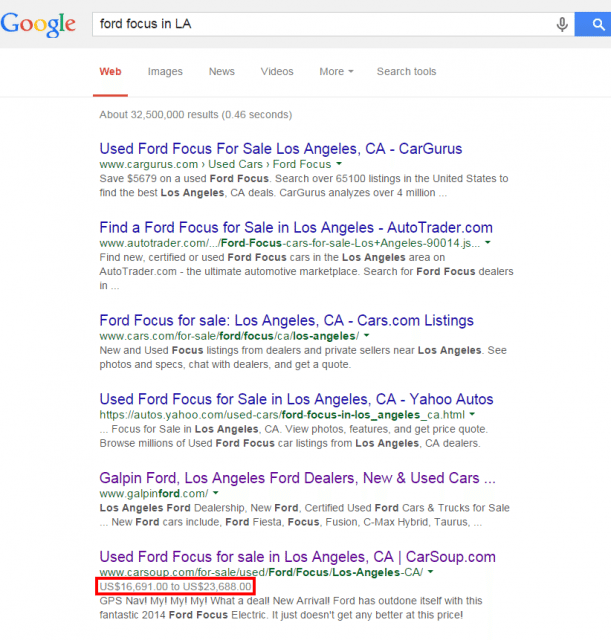
Notice how this search result stands out despite not being the top-ranked listing? The webpage implements a price range schema markup, which is part of the Offer structured data that displays the price range of their used Ford Focus inventory. This schema implementation achieves several crucial objectives:
How Price Range Schema Helps Customers Make Faster Purchase Decisions
The price range schema markup helps potential customers make informed decisions quickly. Users outside the displayed price range can skip the listing, while qualified buyers are more likely to click through because the structured data provides upfront cost information. Web schema implementation is particularly effective for e-commerce sites where pricing information is a key decision factor for users—instead of clicking and being disappointed by pricing, searchers can filter results directly in Google’s search results interface.
Why Your Competitors’ Lack of Schema Markup Is Your Visibility Advantage

The schema markup implementation provides a competitive advantage since competitors haven’t utilized this structured data type. Creating differentiation in search engine results through schema markup offers significant benefits, especially in competitive markets like automotive sales and entertainment. Consider another example where schema markup enhances search results: when researching the movie “Honey I Shrunk The Kids” (the classic version featuring Rick Moranis), an aggregated review schema displays ratings from 85,458 votes, showing a 6.2/10 rating. The review schema implementation provides clear benefits:
Time-Saving Benefits: The aggregated review schema helps users make quick decisions based on collective ratings. When numerous reviewers contribute to a consolidated rating through structured data, the schema markup simplifies decision-making for potential viewers by eliminating the need to visit multiple review sites. Users can evaluate movie quality directly in search results without additional clicks, increasing the likelihood of selecting or skipping content based on ratings.
How Different Industries Use Schema Markup to Stand Out
| Industry/Use Case | Schema Type | Data Displayed in Search Results | User Benefit |
|---|---|---|---|
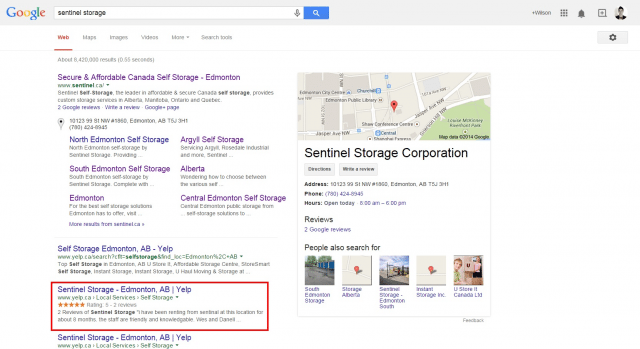
| Local Business (Restaurants, Services) | LocalBusiness | Address, phone number, hours, customer ratings, reviews | Find location and contact instantly without visiting site |
| Events (Concerts, Conferences) | Event | Date, time, location, price, ticket purchase link | See event details and buy tickets directly from search results |
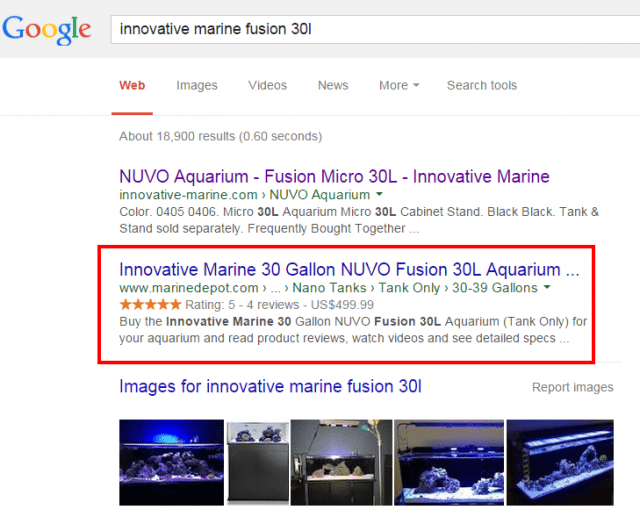
| E-Commerce Products | Product | Price, star ratings, review count, availability status | Compare products, prices, and customer ratings within search |

Schema Markup ROI: Why Website Schema Implementation Is Worth the Investment
These schema markup examples represent just a fraction of the available structured data implementations. The technical complexity of schema markup can seem challenging initially, but the return on investment proves substantial. In many cases, proper schema implementation becomes necessary not just for gaining competitive advantage, but for maintaining market relevance in the digital landscape. Site schema implementation is particularly valuable for local businesses looking to improve their visibility in geographically targeted searches and e-commerce sites competing for high-value keywords.
This overview of website schema markup demonstrates the significant impact of structured data implementation in digital marketing strategies. While this guide has simplified some technical details for accessibility, you can explore more advanced schema concepts through the official Schema.org documentation, or learn how schema integrates with Google Tag Manager for complete conversion tracking setup.
Ready to implement schema markup on your website and start capturing more qualified search traffic? Contact our SEO team to discuss a custom schema implementation strategy for your industry and business goals.
Important Information About Schema Markup Implementation
- Schema affects search visibility, not rankings: Website schema does not directly impact Google’s ranking algorithm, but improves how your content displays in search results through rich snippets, which increases click-through rates and organic traffic.
- Validation is essential: Developers use Google’s Structured Data Testing Tool and Schema Markup Validator to implement and verify schema markup effectively before publishing to production.
- Schema works on any website: Website schema can be implemented on any type of website, but the specific schema types depend on the content and purpose of each page (LocalBusiness for service pages, Product for e-commerce, Article for blog posts).
- Timeline for visibility: Search engines typically recognize schema markup implementation within 1-3 days, but visibility improvements in rich snippets may take 2-4 weeks as Google re-crawls and re-indexes your pages.
- Local business priorities: Local businesses should prioritize LocalBusiness schema markup combined with proper Google Business Profile optimization, along with Review and Service schema types for maximum local visibility.
- Keep schema current: Schema markup requires updates whenever significant website content changes occur—remove outdated event listings, update product availability, and refresh business hours to maintain accuracy.
- Multiple schema types are compatible: A single webpage can implement multiple schema types simultaneously (e.g., Article + Breadcrumb + Organization), as long as all markup accurately represents the page content and doesn’t create conflicting information.
- Adoption is growing: As of 2024, approximately 35-40% of websites implement some form of schema markup, with significantly higher adoption in e-commerce (60%+) and professional services (45%+) verticals.
- CTR improvement varies by industry: Schema markup implementation can increase click-through rates by 20-50% depending on industry and schema type—review schema and price schema typically see the highest CTR gains in competitive verticals.
- Implementation costs vary by complexity: Professional schema markup implementation ranges from $300-600 for simple LocalBusiness schema on service websites, to $1,000-2,500 for moderate multi-page e-commerce implementations, to $2,500-5,000+ for comprehensive enterprise implementations across 50+ page types with ongoing optimization.